Why Do I Dare Not Rely on Others
DustEcho Editorial
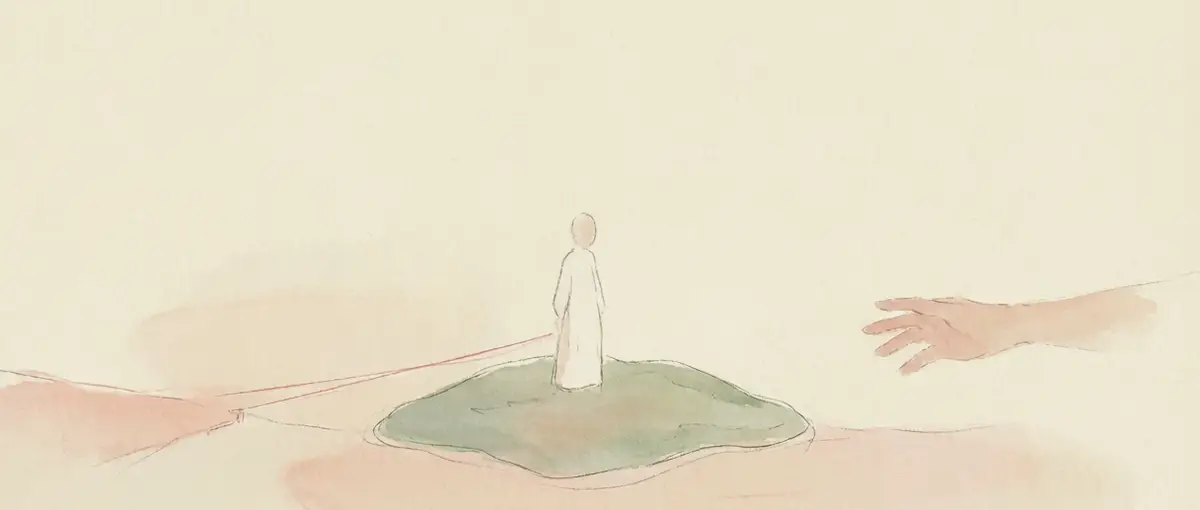
Anything I can carry myself, I never ask for. Moving? I do it alone. Sad? I process it alone. Even asking for directions, I rehearse it three times in my head first, afraid I'll say it wrong. It's not that you're so strong — it's that you don't dare bet: bet on "will you catch me," bet on "will I bother you," bet on "what if one day you're gone, what then." Relying on yourself, at least, never lets you down.
It's not that you don't need people. It's that you've turned "not depending" into a safety rope — let go, and you're afraid you'll fall.
The Habit of "I'll Do It Myself"
Dependency, for you, is like a switch welded shut to "off." Small things you solve without ever asking; big things you grit your teeth and carry alone. When someone offers help, your first instinct is to push it away: "No no, I've got it." Not politeness — panic. When someone gets close to your fragility, you don't know how to receive it.
The habit is strong. It makes you look especially independent, especially reassuring, yet only you know that most of the time you don't not want to lean — you're afraid to. You're afraid that the moment you lean, you'll expose that you're not actually so capable; afraid that the moment you speak, you'll become a burden on others.
What's more exhausting is carrying all the weight yourself. Emotions, troubles, decisions — you pass none of it outward. On the surface you're steady as a mountain; in private you're so tired you just want to collapse. Independence taken too far becomes a synonym for loneliness.
Where Did "Not Relying" Come From
Many people's "non-dependence" was trained in childhood. No one soothed you when you cried, no one answered when you asked — early on you learned: calling out is useless, better do it yourself. Back then, not relying was a survival skill. Grown up, it became a habit you can't break — even now that someone is willing to catch you, your hand still won't reach out.
You were also taught that "bothering others equals owing a favor." Family said "don't stir up trouble for people," school said "do your own things." You equated "asking for help" with "being in debt," as if speaking up made you smaller, something you'd eventually have to repay. So you owe as little as possible, depend as little as possible.
There's another layer: the fear that once you lean, the other person will withdraw someday. You've seen relationships fade, seen promises fall through, so you pull back in advance — expect nothing, and you won't be disappointed. You don't rely on people so you won't be left behind.
Too Much Independence Becomes an Island
The clearest cost is that no one truly gets close. You do everything yourself, so others can't even find a handhold to care. You never show weakness, so everyone assumes you're genuinely fine. You built an island out of independence, and when someone on the shore tries to cross, you pull the bridge back up.
It also makes you miss the chance to be supported. Many things could have been shared, someone could have stood with you, handed you a word — but you held on alone until you drained yourself to the limit. Not that no one was willing; you just never gave them an entrance.
Deeper still, relationships stay shallow. Real closeness is built by bothering each other — you help me once, I owe you a little, and through that back and forth we grow familiar. You stay polite forever, always doing it yourself, and the relationship stalls at "decent coworker," "nice friend," never reaching "someone I can count on."
Practice "Bothering" Others a Little
Start with the smallest bother. Ask for directions, borrow a pen, let a coworker glance over a document. You'll find most people are actually quite pleased to "be needed" — helping with a small thing doesn't put you in their debt; it makes them feel a little closer to you.
You can also pick one trustworthy person and occasionally say something true: "I'm having a hard time holding this one." No crying, just flat. Their response will usually be better than you expected — because people are naturally willing to catch trust that's seriously handed to them.
Remember: relying isn't weakness; it's what a relationship is supposed to look like. No one lives as an island. Only when you dare to reach out can someone take your hand.
In Closing
Not depending was once your armor, protecting you through the years when no one caught you. But worn too long, armor becomes a shell, shutting out the very people who wanted to come close.
You don't have to do everything yourself; you can occasionally say "help me." A truly steady relationship isn't two people who depend on no one, standing side by side — it's one who dares to reach, and one who's willing to catch. Try loosening your grip once, and you'll find the ground was always there — and some people were already standing there, waiting for you to speak.
How do I learn to rely on others?
Start with a small, specific request to someone trustworthy: ask for directions, a review, a ride, or ten minutes of listening. Give them a real chance to say yes or no, then notice that asking did not erase your competence. Relying on others is a skill of shared trust, not a surrender of your whole independence.
Why am I afraid to ask for help?
You may have learned that needing someone creates risk: they could refuse, judge you, or disappear later. Carrying everything alone avoids that uncertainty but also keeps relationships one-sided. Practice a measured request and let the response be information about this moment, not a verdict about your worth.
Want to understand why depending on people feels dangerous?
If self-reliance has become armor that blocks care as well as disappointment, gentle self-exploration can help you loosen it one small request at a time.
Keep reading: Why do I forget the kind things my partner does · Why do I get anxious when the relationship is stable? · Why do I get prickly when someone gets close
Written and reviewed by DustEcho Editorial for self-reflection and cultural inquiry—not counseling, medical advice, or a clinical diagnosis.
Not sure where to begin?