Bing: not broken, just jammed — the stretch when things won't run smooth
DustEcho Editorial
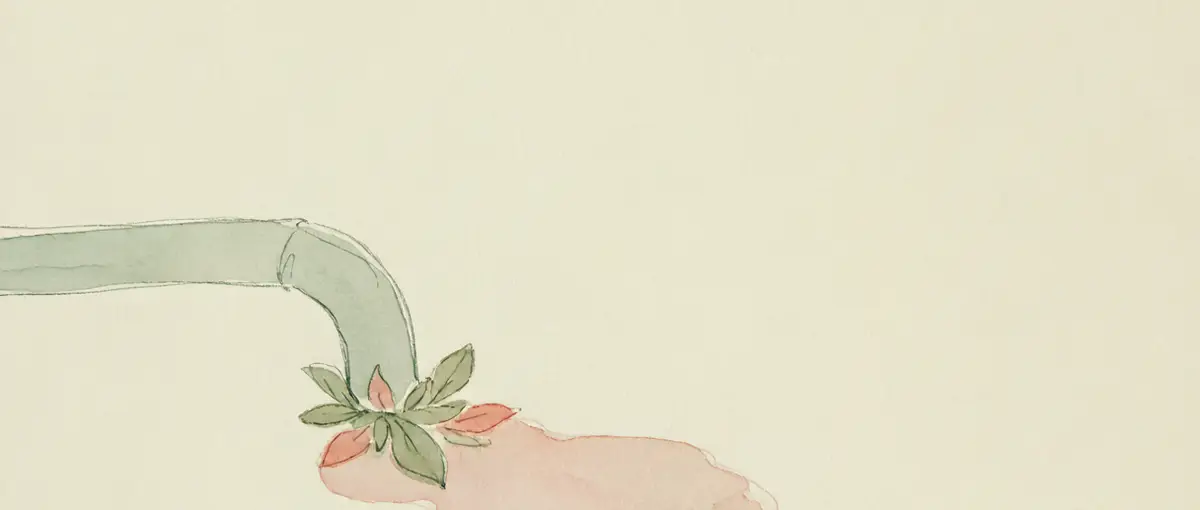
In the Twelve Life Phases, charting the five energies' birth, growth, wane, and turn, "bing" sits right after "decline." Decline is energy sliding down; bing is that drift beginning to clog and stall — a sick body, a seized machine. It hasn't reached death, but the energy no longer flows, like a blocked pipe or a caught gear. In life bing is a universal experience: a circumstance, a relationship, or a self drifting from "a little loose" to "jammed, out of sorts, unable to find its push."
What is Bing?
We misread "not running smooth" as "it's over," yet bing's plain truth is: stuck, not broken. A blocked pipe still clears, a jammed machine still mends, an unwell body still recovers. So in life — a project's numbers dip and progress slows; a relationship twists and words won't land; for a while you can't find your drive. None of this is ruined; bing has arrived. To recognize bing is, when you can't find your push, not to panic: this is stagnation, not an ending. Too many fix on "why did it go wrong" and take a normal stall for collapse, tightening the knot.
The bing at work: momentum slows
Career bing appears in the stuck stretch. A smooth project snags in approval, teamwork drops a link; a working process throws small errors. These carry none of a peak's force — yet that is bing, the energy clogged and not turning. Many stay trapped because they push: the problem is in the process, yet they add staff and overtime, and the harder they push, the more it clogs. Bing's wisdom is to stop, find the blockage, ease the breath — not ram ahead. Protecting the stall beats charging into what won't turn. The opposite: the moment it jams you change course, reading bing as a dead end. The one who stops is often not cowardly but knows you clear before you move.
The bing in a relationship: the words won't land
In intimacy, bing is "can't talk on the same wavelength." Two people go from flowing to bickering over one sentence, or a look chills the room. The bond slid from loose to twisted — clogged, not broken. Many stay trapped forcing the talk, and the more they talk, the more it clogs. Bing asks to admit the smooth stretch passed, rest, and wait for the breath to ease before talking. Protecting a just-clogged bond beats forcing unhappy talk. The opposite: the moment it twists you withdraw, reading bing as death. The one who pauses is often not unloving but more afraid of never having flowed well.
The bing in your own state: no drive to get going
Bing lives in the person too. For days someone finds everything sluggish — getting up is a labor, attention drifts, a friend says "you've seemed down." That is bing in themselves — not awful, yet it can't bear a cold "why so lazy," for the breath has clogged. Many good states die the instant they're disliked by their owner: the moment it jams you call yourself useless, the moment it lags you force yourself to burn. Bing's patience is to allow "I'm only jammed, not finished." Protect that breath about to clear and it will turn open.
What bing fears most is forcing through
The easy mistake is pushing when you should ease: work blocked yet charging, bond twisted yet fighting, state lagging yet grinding. That collision drives the breath that should open deeper into blockage, because opening is eased, not rammed. Bing needs "stop first, then open" — give room and let the breath ease itself. Many things are ruined by refusing to stop, not by stopping too long. So inside bing, learn to hold back from colliding: let the breath find its gap. What's feared isn't the jam but a hand saying "you must not stop" shoving you into the wall. The one who stiffens is often not strong but panicked — miss that and you drive fresh bing into death.
After bing comes death — but death isn't the end
In the cycle, after bing comes "death" — energy sinks lowest, all things still. Not punishment but the rule: clog long and energy gathers in. Catching bing's message keeps you calm: what follows will sink and quiet, not fail but round off. Many fear bing passing as "it's ending," yet death is only preparation for another arising. Admitting bing clogs lets you dare to stop — stopping isn't vanishing, it's another way to live. So through bing, no need to ram on: you've jammed, opening is a matter of time; the next life round waits elsewhere.
Don't mistake bing for a terminal verdict
Another trap: reading bing as "no hope" — jamming as done. That crushes the present and misreads the rule. Bing is one clogged station among twelve, linked on both sides: decline sets it down, death gathers it in. To take it as terminal misses the journey. Jam, open, walk on — that is its composure.
Bing recedes, and it returns
After bing come death, tomb, sever, embryo, nurture, then birth again. Bing isn't once: one stretch clogs and clears, another walks birth to bing. Your jam ending isn't finished; another bing waits. This comforts: what you cleared won't stop flowing forever; anytime you can restart drive from one small smooth moment. Admitting bing recedes lets you dare to stop. So through bing, no need to feel useless — you finished one round; the next smooth waits elsewhere.
In closing: that stuck breath will find its way open again
In life, bing is the instant "after looseness, it jammed, wouldn't run smooth, the push wouldn't come." Not mysterious, nor a prophecy of collapse; it reminds you this step from loose to jammed carries weight. Don't panic at "suddenly wrong"; don't ram because you want it smooth. Catch every clogged moment, and life will, crop after crop, always jam and always grow new green.
What does Bing mean in everyday life?
Bing can be used as an image for feeling stuck: a project loses momentum, words stop landing, or your own energy no longer moves as it used to. It is not a terminal verdict or a forecast. Naming the jam can be more useful than forcing the machine harder.
What can I do when everything feels jammed?
Reduce the next move until it is possible, pause before adding pressure, and check whether rest or practical support is missing. If low energy, pain, or loss of functioning persists, seek qualified professional care rather than treating the metaphor as a diagnosis.
Want to understand why pushing harder keeps making the blockage worse?
If you keep ramming against the same stuck place, gentle self-exploration can help you find the pressure that needs easing first.
A more modern way to put it
Psychology speaks of "stagnation" and "resilience": people hit stagnation and lost drive — a low in the energy cycle, not lost ability; admitting the jam and stopping forced push restores flow faster. Bing only says that clogged energy stagnates and eased energy opens. It doesn't read your fortune; it reminds you that clogged breath is the most natural and shortest — don't panic, don't ram.
Keep reading: Lin Guan: grown enough to step up and take hold · Shuai: how the breath loosens, little by little, after it has peaked · Si: the moment it stops — and the hiding place of the next turning
Written and reviewed by DustEcho Editorial for self-reflection and cultural inquiry—not counseling, medical advice, or a clinical diagnosis.
Not sure where to begin?