Qi Sha in BaZi: Pressure That Builds Strength
DustEcho Editorial
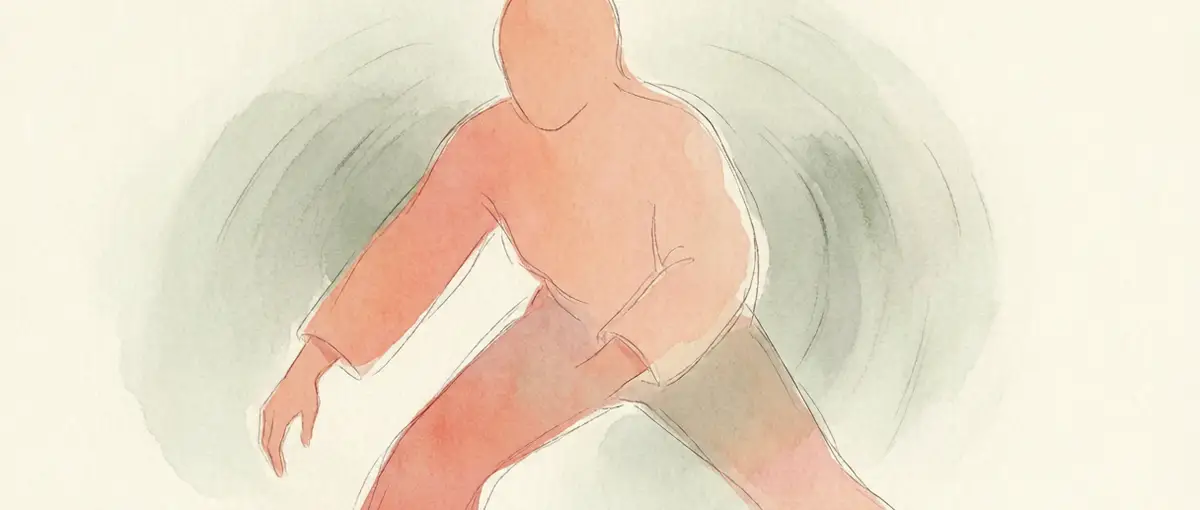
In BaZi, Qi Sha describes high-intensity pressure and the drive to become stronger through action. It is not "great misfortune" and it does not guarantee leadership or hardship. Read gently, it names the person who steps up quickly, carries what others avoid, and may need to learn that rest is not failure.
You're used to carrying, and won't allow yourself to be weak.
Pressure hits — others panic, but he turns clear, as if a switch flipped. The hardest task he takes; the messiest situation he holds up. He rarely says "I'm afraid"; yet at rest he feels inexplicable anxiety, as if being caught the moment he stops. Those around find him strong, able to fight, yet seldom see the tired person inside the armor.
He isn't born hard; there's a drive in him that won't stop.
What is Qi Sha in BaZi?
Among the Ten Gods, Qi Sha is one of the forces, often made to sound frightening, as if a byword for "great misfortune." That reading mistakes a resilience grown under pressure for bad luck, and calls a forward-charging vitality a disaster to avoid.
A more experience-near way: Qi Sha represents a high-intensity, forward-charging vitality. Inside you is a drive of "can't stop, must be strong," like someone always chasing behind. The way you meet the world is to charge up first, finding safety in action rather than watching first.
This drive is concrete in the body. Others facing a hard pass will first tense, first hesitate; you facing a hard pass turn clear — adrenaline has switched you to "battle mode." You're not unafraid; it's just that when afraid, your body has already moved for you. Over time you live yourself into a fully drawn bow: always ready to shoot, yet hard to loosen. You treat "being needed" as your sense of existence, "being able to carry" as your qualification to be loved. A project steadied, you exhale; the next second, already scouting the next thing to carry.
It's not the same as "needing to win" either. Needing to win wants to beat others; Qi Sha doesn't want to beat anyone, it just won't stop — even with no one to race, you'll draw a line for yourself, and only crossing it brings peace. What you chase is often not the crown, but the certainty of "I'm still moving forward, not yet caught."
Its two sides
The good side. A Qi Sha-heavy person is often most reliable in crisis. You can carry; the harder the fight, the clearer you are; you act fast, no dragging; you have a natural leadership, and in chaos people naturally look to you. That "sky falls and I'll still hold it" others admire is, in bones, Qi Sha's shadow. You may not be gentle, but you hold the field.
The harder side. Turn the same force over and it turns on you. You're harsh on yourself, treating fragility as failure; hard to relax, panicking the moment you loosen; you can't stop, and your body often spends before your heart. You use "try harder" to solve almost every problem, including ones that should be solved by rest — as if pushing forward a bit more could fling the unease behind you.
At work
At work, Qi Sha is the one who steps up. The harder the project, the more fired up; the messier the situation, the clearer; the fight others avoid, you take; while others hesitate, you've already moved. You don't want to beat anyone, you just won't stop — even with no one to race, you draw a line, and only crossing it brings peace. In team chaos people naturally look to you; leadership is pushed out by the occasion, not learned.
But Qi Sha also easily makes you carry everything as your own; the faster you rise, the tighter you pull. What to practice is aiming that charge at what truly matters, not charging at everything — you're already someone who can carry; occasionally handing the hard fight to others isn't weakness, it gives the team a chance to grow too.
In relationships
You protect others more than being protected. A partner finds you strong, yet always just out of reach of the soft part; you rarely show weakness, so in intimacy the other often can't catch your needs. The way you show love is often "I'll smooth things over for you," rather than "I'm scared, hold me." You're not unwilling to be caught; you just haven't practiced reaching out in so long — that hand raised halfway, quietly lowered again.
Most tiring is that string always taut. Rest and you panic; idle and you find something to do, as if stopping means falling behind. You're used to shielding everyone behind you, yet no one catches you. Long braced, the body protests first — insomnia, tension, a fatigue you can't name. You don't truly can't stop; you just don't yet dare believe "even if I stop, it won't collapse."
With money
On money, a Qi Sha-heavy person fights hard. You dare to charge, dare to gamble, dare to take risks for quick money others wouldn't; where Bi Jian seeks steadiness, you seek "winning." In investing you favor high-return high-risk paths; the never-accept-defeat streak sends you charging faster than anyone at opportunity.
But this drive is double-edged: Qi Sha is competitive, hates losing, easily "can't afford to lose" with money — a loss and you want to win it back at once, a win and you want to press the advantage, the rhythm often led by emotion. You've tied money to "am I strong enough" — earning is proof, losing feels like a slap. What to practice is letting money return to being a tool: it's only resource, not the scoreboard of your fighting strength.
How do you live with Qi Sha?
No need to put away the charge; it's your most precious thing. Just practice: strong can also say tired. Aim that forward energy at what truly matters, not charge at every small thing; find a few moments of "safe even without winning" — zoning out, walking, being cared for, none of it a loss. Occasionally lay down the armor, and you're still you; and the you who gets tired, gets scared, wants to be held — is actually more worth drawing near than the you in armor.
In closing
If Qi Sha is heavy in your chart, you may more easily experience this state. It makes you able to fight, able to carry, and easily lets you forget you too get tired. And true strength is sometimes allowing yourself that one moment of softening.
A modern psychological view
Qi Sha's "must be strong, can't stop, proving yourself by carrying" already has correspondences in workplace and stress research. If you've lived yourself into a fully drawn bow, these pieces might catch you:
- Why I always have to seem busy — treating "looking like I'm struggling" as worth, just like Qi Sha's "only loved because I can carry"
- Why I feel I have to earn my rest — rest feels like debt, must be paid off with effort first
- Why I get sick as soon as I rest — the body protests the moment you let go, exactly the release-crash of long bracing
What does Qi Sha mean in BaZi?
Qi Sha is traditionally associated with pressure, challenge, courage, and a forward-charging response. It does not mean someone is doomed to struggle. A useful interpretation asks where this force helps you act decisively, and where the habit of carrying everything has started to cost your body and relationships.
Want to understand your pressure and resilience patterns?
A personal reading can help you connect this traditional language to your real work, money, and rest patterns without turning it into a fixed label. Start a personal BaZi reading.
Written and reviewed by DustEcho Editorial for self-reflection and cultural inquiry—not counseling, medical advice, or a clinical diagnosis.
Not sure where to begin?