7 Signs You're Pushing Away the People Who Care About You
DustEcho Editorial
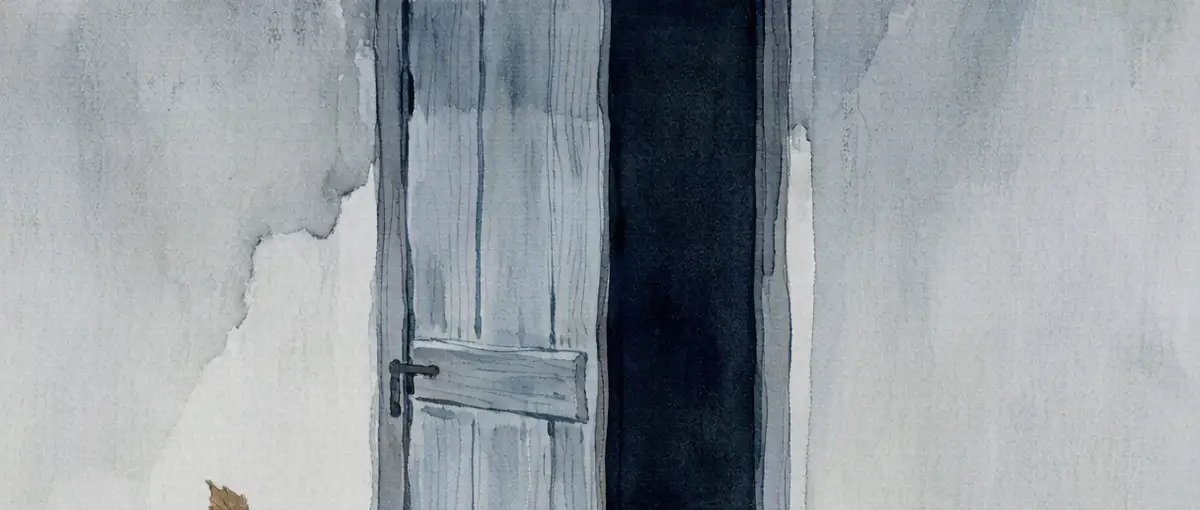
Pushing away the people who care about you doesn't make you cold, and it doesn't mean you don't actually want connection. More often it's a protective reaction — at some point you were ignored or let down right when you got close, so your body quietly learned to step back first to avoid being hurt again. Here are seven signs that help you recognize when you might be distancing the very people who want to stay. If several of them fit, don't rush to blame yourself; simply noticing is already a kind of change.
Is it normal to push people away even when you want closeness?
Yes — and it's far more common than you'd think. Most people who push others away want the opposite of what they're doing: they crave, more than almost anyone, to be reliably held. It's just that the last few times they reached out, what came back wasn't a response but a letdown. So the brain quietly rewrote one rule: withdraw first, and you won't be disappointed again. That rule may have protected you once. But when it hardens into an automatic reflex, it ends up shutting out the people who actually intend to stay. You're not someone who "doesn't need people." You're someone who "doesn't dare believe people will stay." This contradiction is explored more closely in why you get suspicious when someone loves you.
The 7 signs: how many fit you?
You assume other people's kindness has a hidden motive. A friend invites you to dinner and your first thought is "what do they want from me?" A partner suddenly turns gentle and you grow wary — "did they do something wrong?" Before the kindness even lands, you've already given it a darker explanation. That's your heart building a wall early, so that if the person behind it leaves, the fall won't hurt as much.
You step back the moment someone gets close. You leave messages on read, avoid calls, make excuses not to meet. It's not that you dislike them — it's that as soon as intimacy rises, you panic. The instinct to flee when closeness grows is written about in why you pull away when someone gets close, which unpacks the fear underneath it.
"I'm fine" and "don't worry about me" live on the tip of your tongue. You tuck your vulnerability into one polite sentence — it makes you look composed, and conveniently pushes the other person's hand away. You think you're sparing them trouble, but really you're deciding for them that they don't need to come near. Not being able to say what you actually need is usually less about not needing and more about why you can't voice your needs.
You "test" people to prove they don't care enough. You go cold on purpose, disappear on purpose, threaten to leave on purpose — just to see if they'll chase. If they do, you relax for a second and then quickly stop believing it; if they don't, you retreat smugly behind the script of "see, I knew it." Tests never prove love. They only prove how afraid you are of being abandoned. Why you test the people you love walks through exactly this loop.
You'd rather carry it alone than ask for help. You say "I've got it" even when you're falling apart, and you'd rather burn the midnight oil than let anyone lend a hand. Independence isn't the problem. But when "don't bother people" becomes a law, the relationship loses its chance to hold each other up. That "I'll carry it myself" conviction has deeper roots in why you'd rather carry it alone.
Receiving kindness makes you uncomfortable — even makes you feel "unworthy." A gift from someone leaves you flustered, a compliment gets denied, care makes you retreat. This awkwardness isn't modesty; it's a bone-deep belief that you don't deserve to be treated that way. It shares the same underlying current as "I don't deserve good things," and it's tightly linked to why receiving kindness makes you uneasy.
You confuse being "needed" with being "cared about." You only feel like you have a place in a relationship when you're useful — when you can help, can hold someone else up. The moment you're simply being cared for, you panic: "what am I, like this?" But real care is allowing yourself, now and then, to be the one who gets caught. The root of mixing these two up is taken apart in why you confuse being needed with being worth something.
Why do I push people away when what I really want is to be cared for?
Because pushing away gives you a sense of control in that instant. Being abandoned is passive and painful; stepping back yourself at least lets you feel "I chose this." For someone who's been hurt, that sliver of control is precious — precious enough to trade loneliness for.
Another reason is the cost of hoping. The more you long for someone to stay, the more you fear they'll prove they can't — so you make them leave first, turning a "possible heartbreak" into an "already safe" outcome. What you pay with, though, is the real connection that could have happened. There's a third, sneakier layer: you assume you'll eventually be let down, so you push to confirm the prophecy, keeping the world consistent with the script you know. When the prophecy comes true, you actually relax — "see, no one stays." That relief, though, is bought with isolation.
How can I pause when I notice these signs?
You don't have to become someone who "asks for help gracefully" overnight. Just do three very small things:
- Notice the moment you automatically step back. Before you leave that message on read next time, pause three seconds and ask: am I actually tired, or am I afraid of getting too close? Simply naming it slows the pull-away by half a beat.
- Swap "testing" for "saying it directly." If you want to know whether someone cares, don't vanish to find out. Try saying, "I've felt a little unsafe the last couple of days — I want to hear that you're here." A response you ask for directly is truer than one you fish for.
- Let yourself receive one small kindness. When someone offers you a coffee, don't push it away — just say thank you and take it. Each time you receive, that "I don't deserve this" loses a little of its footing.
None of these are big moves, but every time you don't slam the door, the door opens an inch more. If you want to loosen the grip of "afraid of being let down," the Eastern idea of letting go is about exactly how to stop clenching control so tightly.
Want to understand why closeness makes you pull away?
If you recognize yourself in these signs, gentle self-exploration can help you notice the fear underneath the distance without blaming yourself or forcing instant intimacy.
The door that springs back shut
Pushing people away is like a door with a spring on it. Someone pushes it open to come in, and your hand habitually lets go — the door snaps back into place. It's not that you hate guests. It's that you forgot the door can stay open, forgot that the person coming in actually wants to stay with you. Those seven signs are the seven worn handles on that door, each one showing you where a touch will make it spring. Next time your hand is about to let go, try holding half a second longer — let the person walk in, sit down, leave the light on. Being cared for isn't a qualification you have to earn. It's a door you only need to stop slamming quite so hard.
Written and reviewed by DustEcho Editorial for self-reflection and cultural inquiry—not counseling, medical advice, or a clinical diagnosis.
Not sure where to begin?