Red: The Color That Calls Out Before the Others
DustEcho Editorial
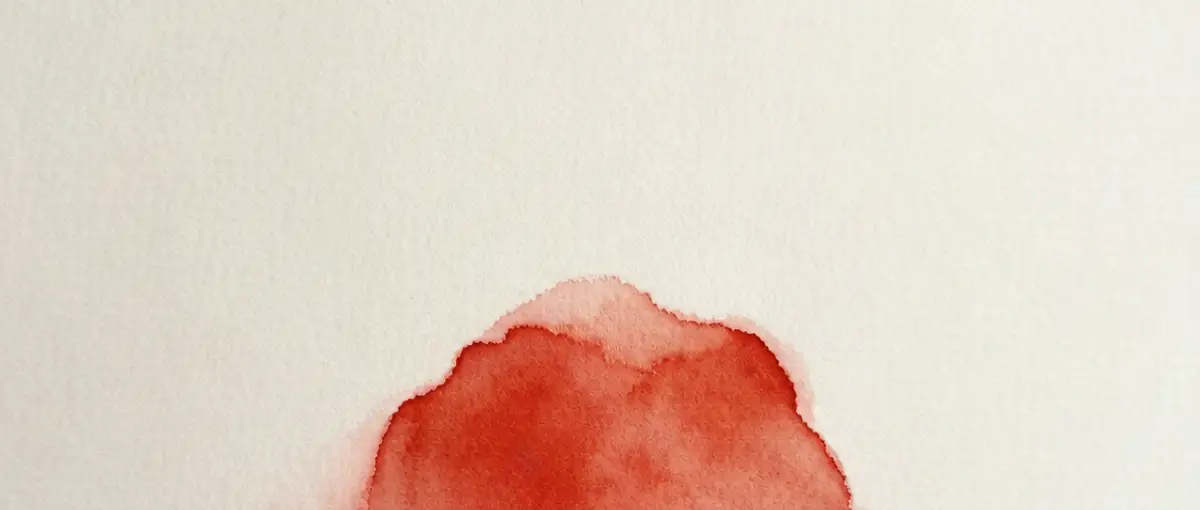
Red is the color of fire, the south, the summer. Its power isn't in classification but in this: when red appears, other colors step back. The eye is keenest on red; a distant speck makes the heart jump before you know what it is. We use red for celebration, warning, seals, and blood is red too. Behind 赤 lie visibility, warmth, a refusal to be overlooked. Red is honest.
Red Is the First Color We See
Among shop windows, which catches you first? The red one. Its wavelength is long, it reaches the eye fastest, and the brain reads it first. Red is attention by nature. We paint what matters red: fire trucks, stop signs, sale tags. Red isn't decoration; it's a shout — look here.
Why Celebrations Are Always Red
In Chinese festivities red is the baseline: clothes, invitations, eggs, even the envelope. Red announces that something good deserves to be shown. It turns private joy into a public signal. A red envelope tells you, unopened, that it holds a blessing, not a bill. Red states the feeling first.
Cinnabar and That One Seal
The ancients mixed cinnabar into seal paste, and the mark was deep red. A seal meant you owned it. A red seal carries weight: not said lightly, unchanged once pressed. We still say a cinnabar heart, red sincerity, the red child. A red-sincere intent is like that seal: bright, certain, nothing hidden.
Red Is Also Warning and Boundary
Red doesn't only celebrate; it blocks. A red light means stop, a red line forbids. The same color stands for joy and danger, showing red's essence is intensity, not good or evil. It pushes a thing's weight to the top; good or bad depends on where you stand. Used right, warmth; overused, pressure. A red-flooded page makes people flee.
Red Is the Visual Form of Heat
Cool colors repel, warm colors draw near, and red is the warmest. Like fire or a flushed face, blood rushing up when moved. Seeing red warms the body slightly — written into our physiology. So red food looks tastier, a red room livelier. Red translates temperature into color. One who wears red is willing to be felt.
Red Is Also a Statement
People prize a low profile, yet red can't stay quiet. Use red and you say: I have something to say. Whatever must be seen leans red. Red becomes courage: unafraid of notice, unafraid of judgment. The colleague who marks the key point in red knows what's urgent. Red shouts first.
Red Also Writes on the Face
Shyness, excitement, shame — each flushes the face. Red escapes on its own — uncontrolled, impossible to hide. So it's the truest: you can lie in words, not in that flush. We trust a blush over a hundred protestations, because red is the body's truth. It ties to both shame and sincerity.
Red Wears Out — Don't Flash It Carelessly
Red is strong; overuse dulls it. Live in constant red and it becomes noise no one looks up at. A celebration moves us with red precisely because we don't live in red daily. Red's worth is in scarcity: only an occasional flash truly flashes. Mark everything urgent and red stops being urgent. Save red for what's pressing; leave blank elsewhere.
Red Also Holds Memory
A red string on the wrist remembers a person; a red leaf with a poem, a love; a red lantern, a year's reunion. In culture red says don't forget. We tie red string on what matters not for looks but for fear of losing it. Red pins memory where it shows. A red string is a knot to remember.
Treat Red as a Refusal to Be Vague
We live in an age that prizes softness: muted palettes and reserved speech. Yet some things shouldn't be soft — joy, danger, the genuine heart all deserve a red. Red teaches to know what's worth lighting up, not to exaggerate everything. To shine when it should is honesty. Keep red for the pressing; don't let it sink into noise.
What does the color red symbolize?
Red can symbolize attention, warmth, celebration, danger, boundaries, and sincerity. The same intensity can invite people in or tell them to stop; context decides whether the signal comforts or overwhelms.
How can I use “red” as a personal boundary?
Name what deserves attention and what needs a stop. A clear “not today,” a visible priority, or a direct request can be warmer and safer than letting resentment build until it becomes a flare.
Want to understand what your attention is trying to light up?
If everything feels urgent or nothing feels important enough to name, gentle self-exploration can help you choose where to spend your intensity.
So to Write of Red Is to Write of Speaking First
Red seizes the front. Sometimes it annoys, sometimes it saves. The point is where you spend this dazzle: warmth on a celebration, a measure on a boundary, a seal on a true heart. One who knows where to use red knows weight better than one who never uses it. Red is the one you'd know eyes closed — it arrived first.
Keep reading: North: The Quiet Side You Turn Your Back To · East: The Direction That Greets Every Morning · Dui: The Marsh That Is Also a Mouth
Written and reviewed by DustEcho Editorial for self-reflection and cultural inquiry—not counseling, medical advice, or a clinical diagnosis.
Not sure where to begin?