White, the Emptiness That Holds the Most
DustEcho Editorial
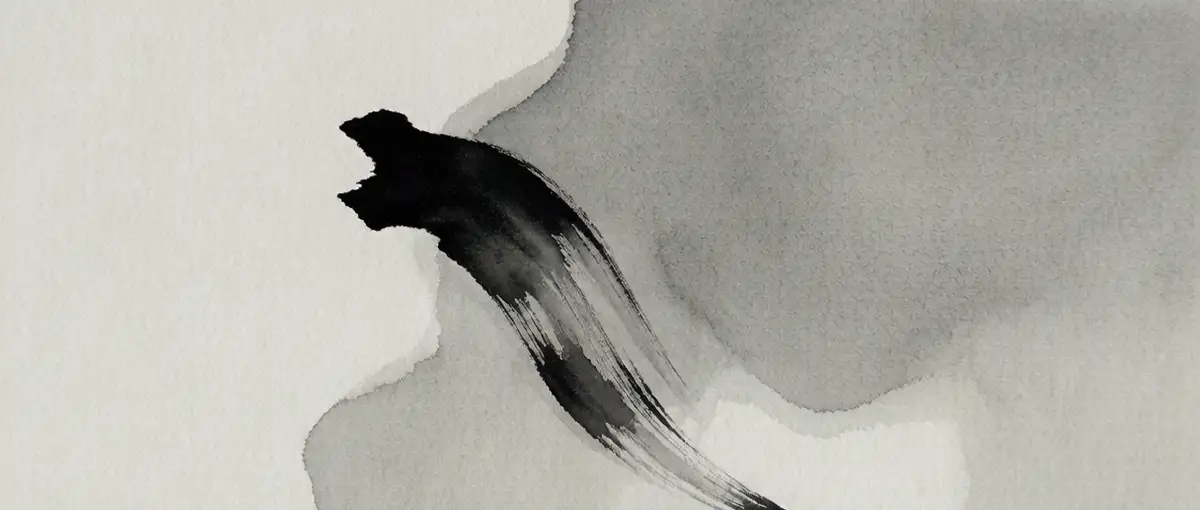
Among the five colors, white belongs to metal, the west, and autumn. Yet its truest wonder is looking empty while holding everything. Emptiness is not nothing — only not yet filled.
What is White?
Painters know white best. Cover the page and it dies; leave one patch and the breath returns. So with speech: leave a little white and both keep room. White teaches proportion — not silence, but knowing where to stop. A relationship that leaves white draws you back more than one that fills every gap.
White is clarity, and candor
In words like clear and candid, white means hiding nothing. A white wall shows all at a glance. So white carries a clean trust: what you see is the whole, with no hidden layer. We trust a forthright person, for nothing in them needs covering. White is not naivety; it is openness, a ground that can stand being seen.
Snow and plainness, white at its quietest
Snow falls and the world turns white; noise stops. A plain robe, untrimmed, is the one you never tire of. When restless, a white wall eases the heart. White gives nothing new; it takes the old away. It does not add, it subtracts. The person stuffed with information most lacks a white wall.
White is the moment of setting down
By day we wear every color; at night we change into white. In many rites white is the color of beginning: a white dress, a new start; a pen on blank paper, a plan. White faces what comes after; the page is turned, all is clean. We fear emptiness too much; white reminds us it is the condition for something new. Clear out first.
White is not gone, only not yet shown
Some fear white as blankness, cold, an end. That is a mistake. Blank paper is not without story; the story is unwritten. A young graduate is a blank sheet; others sigh at his inexperience, but that blankness is precious — not yet fixed, free to go anywhere. White's worth lies in what it can hold.
White is also an unadorned courage
Everything now is packaging — photos retouched, words polished, quietness filtered. To use white is to dare be unadorned. A person in a crowd who will not perform yet is unafraid to be seen plainly carries white's strength. He adds no drama; he is enough. White's confidence comes from saying nothing extra while holding everything.
White chooses when to speak
Some mistake white for having no stance. They are wrong. White chooses when to speak, not to stay silent. To clarify when clarity is due, to stay quiet when quiet is right. White's proportion is knowing advance and retreat: leave words white to give room, clear a matter to stop misunderstanding. White is not weakness.
White can also be cold — do not let it stand alone
An all-white space feels vast; an all-white day feels chilly. White is good, but white to the end is barren. A room of white walls needs a painting; a white day needs warmth. White's worth is in setting things off, not standing alone. One who knows white adds a little yellow light, a little green life. White is the ground, not the whole.
White is the first stroke of every painting
However full, a painting begins with white. The blank paper is the first unspoken sentence. We stare at what is painted and forget the precious part: what is not yet touched. White gives all an equal start; master and beginner face the same sheet. It asks only whether you dare the first stroke. Its goodness is beginning again.
Treat white as a daily restart
We all need a little white in our days: a free morning, a bare wall, a sentence not rushed. White is not laziness; it is the system's cache — clear it and things run. Do not paint every inch of time. Used well, white is efficiency and room — a way to tell yourself: here, it is all right to be empty.
What does the color white symbolize?
White can symbolize space, clarity, simplicity, and a beginning that has not been filled in yet. Its meaning depends on context; this is a cultural reflection, not an omen or a fixed reading of a person’s fate.
How can I use white as a daily reset?
Leave one small area of your day unclaimed: a clear desk, a quiet minute, or a page without a task on it. Emptiness does not have to be solved immediately; it can give attention somewhere to return.
Want to understand why blank space can feel both calming and frightening?
If you keep filling every pause before you can hear yourself, gentle self-exploration can help you make room without turning stillness into a verdict.
So to write white is to write an emptiness that holds
White looks lightest, yet is heaviest, for it bears what has not come. Without white, no color shows true. White teaches not how to fill, but how to leave. One who leaves white lives uncrowded, with an unblocked heart, because even at his fullest he kept a patch for himself. White makes no sound, yet holds every possibility.
Keep reading: North: The Quiet Side You Turn Your Back To · East: The Direction That Greets Every Morning · Dui: The Marsh That Is Also a Mouth
Written and reviewed by DustEcho Editorial for self-reflection and cultural inquiry—not counseling, medical advice, or a clinical diagnosis.
Not sure where to begin?