Why do I want to become a whole new person every time I restart
DustEcho Editorial
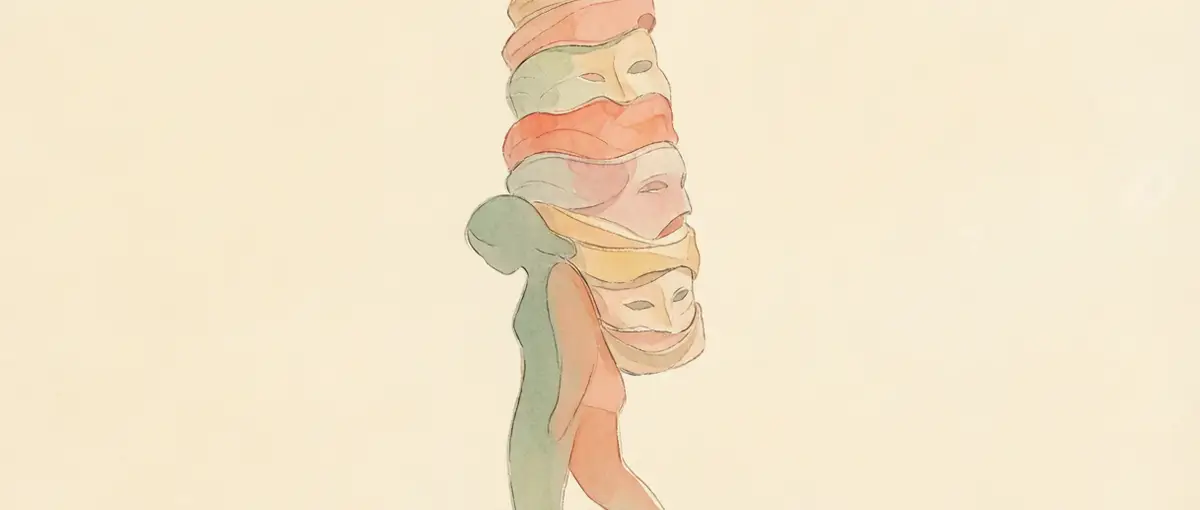
At the start of the year I decided, once again, to "reinvent myself." Got a gym membership, bought a journal, deleted social apps, even changed my bio to "a brand-new me." For three days I was somebody else; by day four it collapsed — the gym card wasn't used again for three months, the journal stayed blank, and I forgot to change the bio back.
This urge to "restart must mean swapping the person too" lives in a lot of us. As if the new thing can't stand unless the old foundation is torn out.
We mistake "start over" for "be reborn"
A real beginning often only needs one change: sleep half an hour earlier tonight, listen to that one lesson this week. But anxiety inflates it into "my whole self must change." Because the old version of you has disappointed you too many times, you don't dare just patch it — you want to recast from a new mold.
So the restart list grows longer: not just beat procrastination, but also get abs, read twenty books, turn outgoing. The goal swells from "do one thing well" to "become another person."
A new identity is too heavy; old habits tip it with a nudge
Here's the snag: you're carrying two projects at once — doing the new thing, and playing the new person. Playing the new person drains battery. You must remember every moment that "the current me" doesn't scroll, doesn't stay up late, loves exercise; the moment you slip, you feel you've "reverted to form" and might as well quit everything.
But you don't need to become another person. You just want to move forward in one place. The you who wants to sleep earlier, the you who wants to finish the report — that's already you, not some strange new species.
Change one brick, don't tear the whole wall
Next time you want to restart, shrink the ambition. Don't say "I'll become a brand-new person"; say "this week I want to put the phone down before sleep." Just that one. Achieve it, then add the next. A new identity is built, not announced.
The old you isn't as bad as you think
You rush to swap yourself because you only remember the old version's botched moments, forgetting it also pulled through plenty. The you who's late, procrastinates, occasionally breaks — that same you also handed things in on time, stayed up with someone through hard nights, didn't flee when it got rough.
Restarting isn't cutting from the past; it's taking the usable parts and patching the gaps. You don't have to deny the whole history to set out. Admitting "the old me has usable bits too" actually lightens the load — because you know it's not all from scratch, just continuing on.
Your past failures weren't because you as a person are no good — it's that every time you set out carrying too heavy a "new persona." Drop the shell, set out with only the one thing you want to change, and your steps are lighter and go further. It's not that you can't; it's that last time you carried too much. This time, carry less.
Week one: do one thing, then stop
Don't list ten items at once. Pick the smallest change you most want — say, "no phone before sleep." Doing that one well beats ten half-done. When you do it, what you gain isn't the rush of "I'm back" but a bit of trust that "I say it and I do it" — and that's what a restart really needs to bank, far sturdier than any new identity.
Written and reviewed by DustEcho Editorial for self-reflection and cultural inquiry—not counseling, medical advice, or a clinical diagnosis.
Not sure where to begin?