Why Do I Keep Preparing Instead Of Starting
DustEcho Editorial
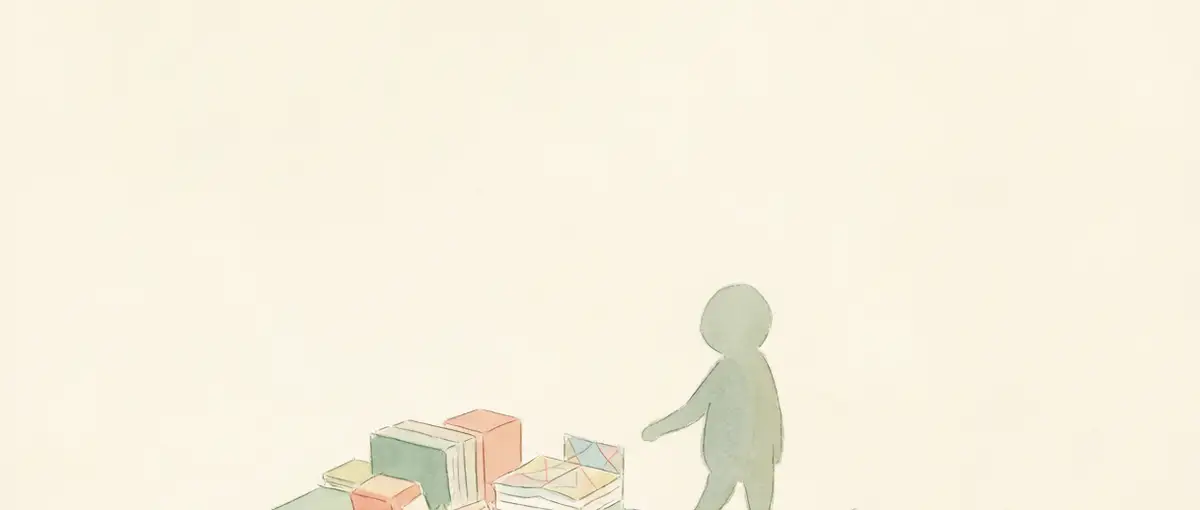
You've bought all the gear, saved eight tutorials, and scheduled yourself into next month. A friend asks "did you start?" and you smile "still preparing." You've said that for three weeks. Oddly, every minute of preparing feels like moving forward, yet the moment it's time to actually write, speak, or take the first step, you always find a reason that "something's still missing."
Preparing is addictive because it risks nothing
Preparation is a gentle trap. It looks like effort, smells like progress, yet quietly exempts you from the scariest part of starting — being seen, being tested, possibly failing. As long as you're still preparing, you remain the "person about to succeed," not the "person currently failing." That identity is safe. So you keep adding conditions: one more source, think it through a bit more, wait for a better state. Each addition moves you further from actually doing.
What you fear isn't failure, it's the "not good enough" self being seen
Deeper down sits an unspoken sentence: if I seriously start and still do it badly, does that mean I was never good enough? Preparation lets you postpone that moment forever. You use "not ready yet" as a buffer between the real you and a possibly disappointing result. But the problem is, a preparation that's always "almost there" turns into the regret of "I never actually tried" — which is more embarrassing than messing up.
Shrink the first step to something ridiculous
To break this, you don't need more preparation; you need a smaller step. Don't set "finish the plan this week" — that's still too big. Set "open the doc now and write one title line." Small enough that you think "this barely counts as starting" is exactly what's easiest to cross. Allow it to be rough, allow it to be ugly. A draft is called a draft because it's not supposed to look good. The "perfect starting point" you're waiting for doesn't exist.
How do I stop preparing and finally start?
Choose the smallest visible action that creates a real artifact: write one line, send one inquiry, or open the document and name it. Give yourself a short timer, allow the first version to be rough, and stop collecting preparation once the action has begun.
Why do I keep preparing instead of starting?
Preparation protects you from being tested, seen, or disappointed, so it feels productive without exposing a result. The cost is that "not ready yet" becomes a permanent waiting room. One imperfect action gives you better information than another week of imagined readiness.
Want to understand what over-preparing is protecting?
If more research keeps postponing the moment your work can be seen, gentle self-exploration can help you make room for an imperfect beginning.
Move, and the direction grows on its own
Many people think they must see the whole path before they dare step. But a path is walked, not seen. Sitting down for five minutes helps more than standing still and thinking for five days — because while doing, your hands tell you where it snags and where it flows, information no guide can give. So put down those stacks of guides. Today, just do that smallest thing, and let the next step emerge from the action itself.
Keep reading: Why Do I Feel Tired the Moment I Think About Starting Over · Why do I get ashamed of being a beginner · Why do I keep a backup plan that sabotages me?
Written and reviewed by DustEcho Editorial for self-reflection and cultural inquiry—not counseling, medical advice, or a clinical diagnosis.
Not sure where to begin?