Tian Liang: The Shade That Always Steps Up to Shield You
DustEcho Editorial
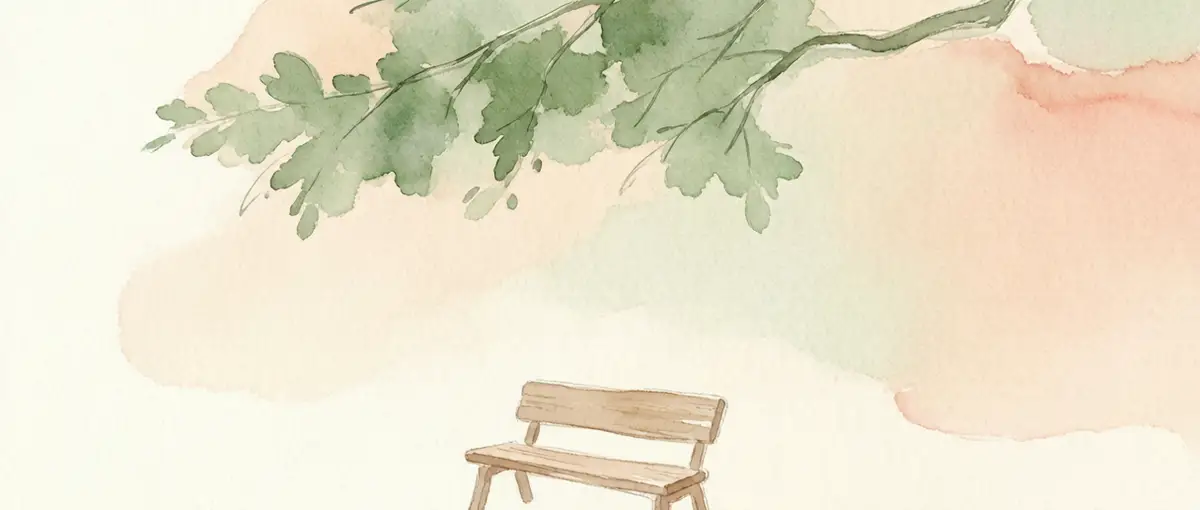
Tian Liang describes the kind of person whose feet move before their mind does the moment they see someone about to fall. It isn't bravado — your body acts a step before your brain: let me take the hit, you go first. A friend texts at midnight, "I'm done for," and though you can barely keep your eyes open, you sit straight up. You see a stranger struggling with a heavy load on the street and your hand is already reaching out. There is a warmth in you that turns, almost against your will, outward.
What does Tian Liang mean in Zi Wei Dou Shu?
Tian Liang is traditionally read as a symbol of protection, guidance, and the instinct to shelter people who are struggling. In everyday life, it can describe someone who steps in quickly but may take on responsibilities that belong to others. This is a reflective lens for understanding a pattern, not a prediction or a demand to keep rescuing everyone.
How can I protect others without carrying everything for them?
Stay beside people without automatically taking over: offer support, name your limit, and leave room for them to make their own next move. Explore the pattern gently if you are often the reliable one who feels tired only after everyone else is safe.
What Tian Liang Is?
In astrology, Tian Liang is the "shade star," governing protection, resolution, and the figure of an elder. Brought into today, it speaks of an innate sense of guardianship: you're used to keeping people behind you, like an old tree spreading its cool shade. When a friend makes a mess, you help clean it up; when a younger person panics, you show them the way; even when a stranger is in a bind, you can't help lending a hand. You don't want to be anyone's boss or anchor — you simply want the people around you to have it a little easier. When you see someone struggle, you grow more restless than the person going through it.
Its Two Sides
The warmth of this side is real. Because of you, many people have truly taken fewer wrong turns, been scolded less, and been caught at some stuck point in their lives. The protection you give often carries patience and experience — not empty comfort, but "I'll stay with you until we get past this." Yet the other side is that you easily turn "protecting" into "doing for": taking on others' consequences, making their decisions, bearing the walls they should crash into themselves. You grow tired, and the people you shield never grow their own bones — every blow you block for them may be a lesson they should have learned to dodge themselves. Shield too completely, and sometimes it becomes another form of not letting go.
In Relationships
In relationships you're like a cushion. The moment the other person is in trouble, you step up first; the moment they cry, you figure out how to soothe them; the moment they panic, you hand them a plan. The sense of safety you give is thick — so thick that others grow used to leaning on you. It's just that you're so used to being the one "holding others up" that when you're fragile yourself you don't know how to speak up — afraid that speaking would crack the steadiness you've held for so long, afraid the person would suddenly realize that even a tree gets tired. You too need someone who lets you set down your strength and be shielded once. That isn't weakness; it's something you've earned too.
With Money
With money, Tian Liang often means "spending for others." A word from family that they're short and you transfer immediately; a friend who can't make ends meet and you cover it first; seeing anyone in difficulty you'd rather tighten your own belt to smooth over their hurdle. Your money often flows toward the four words "protect the relationship." This is warm in itself, but draw a line: don't let covering turn into a bottomless pit; don't let your own stability keep yielding to someone else's panic. Before you shield others, first shield your own well — when the well runs dry, what will you scoop out for others?
At Work
You're the team's anchor and fire-fighter. You mentor the newcomers, sort out the messes, take the front when something goes wrong. People rely on you, and respect you. It's just that "always shielding" eats into your room to rise: busy protecting others, you have no time for your own projects; so reliable that no one dare hand you the harder but more growth-giving responsibilities, afraid the team would fall apart if you left. Learn to step back half a pace now and then, and let those who should face things face them — only when you're not there can they truly grow up.
How to Live With It
Don't lose the heart to protect, but trade "doing for" for "being with." When someone crashes into a wall, you can be the one handing them water from the side — you don't have to take the hit for them. Practice saying "I can't help this time" — it isn't coldness, it's returning the relationship to where each person should stand. More importantly, allow yourself to be caught too — you deserve for someone to say "this time it's my turn," and deserve, when tired, to lean for a while without explanation or bravado. Besides protecting others, keep a little strength to protect yourself. That isn't selfish; it's what lets this shade stand longer, instead of withering before you've finished shielding everyone else.
In Closing
Tian Liang isn't the "nice guy who can't say no" — it's a shade willing to block the wind for others. The protection you give is precious, but don't let it become a one-way umbrella that opens only outward — when the people under it leave, you should still be able to keep the rain off yourself. In this life you'll shield many people, and you should save a place to shield the self that always reaches out first. Trees get tired too; trees deserve to be watered.
A Modern Psychological View
This quality of "always wanting to shield someone," in Tian Liang, sits close to these states of mind:
Written and reviewed by DustEcho Editorial for self-reflection and cultural inquiry—not counseling, medical advice, or a clinical diagnosis.
Not sure where to begin?