Tanlang: the curiosity that wants to reach out and touch everything
DustEcho Editorial
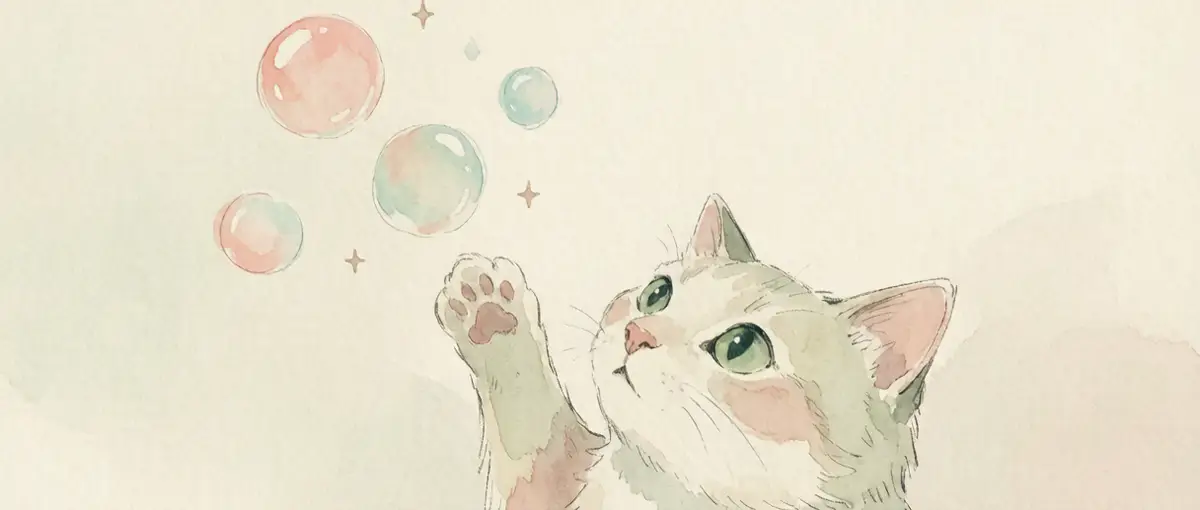
Some people walk into a shop and, in five minutes, find ten things they want to buy. Some hear one song and, following the thread, end up with half a playlist. It's not greed — it's that the world, to them, is flashing "try me" everywhere. They have to touch whatever is new, explore every shop they haven't been to, even want to hear a stranger's story.
In fortune-telling, Tanlang is not the derogatory "desire" — it's a vitality that wants a taste of everything: curious, outgoing, charming. Like a cat, it instinctively reaches its paw toward whatever moves, whatever is fresh, whatever it hasn't seen.
What does Tanlang mean in Zi Wei Dou Shu?
Tanlang is traditionally read as a symbol of curiosity, desire, social energy, and the urge to experience more of life. In everyday language, it can help describe a person who is quick to explore but may need help choosing what deserves sustained attention. It is a symbolic lens for reflection, not a prediction or a moral judgment.
How can I use Tanlang without scattering myself?
Let curiosity open doors, then choose one or two doors to stay with. Give your attention a simple order: what is interesting, what matters, and what you are willing to practice. Use a guided reflection to notice whether your next new interest is genuine energy or an escape from finishing something already begun.
Its two sides
One side is aliveness. With Tanlang strong in you, your interests run wide and your friends run many; that hunger for life is something others envy. The joy of talking with you is that there's always something new. You're like a walking spice jar — wherever you go, things liven up.
The other side is scatteredness. Wanting to touch everything, you often only taste each thing shallowly, and find it hard to dig deep in one place; too easily drawn away by the new, the old affection cools. Lively as it is, when you look back, it seems you haven't kept many real things. Your world is wide, but not deep enough — like a sea that's always at high tide, waves coming and going, leaving nothing on the sand.
In relationships
In relationships, you're interesting, you can flirt, you draw people near. The relationship experience you offer is rich — but it can also make people uneasy, because you seem curious about everyone, warm to everyone.
What you need to learn: curiosity isn't the same as drifting; warmth can also have weight. Toward the people you care about, turn that greed into "I just want to know you a little more," which moves far more than "I'm like this with everyone." Novelty fades, but "I'm willing to stay curious about you" is something that can walk a long way with someone.
With money
With money, you're the "dare to want, and gather many kinds" type. You're not bound to one income; you're willing to try different ways of making money, and you'll gladly spend on fresh experiences.
But be careful: wanting everything can mean failing to hold onto the one thing most worth keeping. You don't lack money — it just flows too fast: it comes in, and it leaks out just as quick. What you must learn about wealth is to leave one deep well, rather than dig a hundred shallow pits. Novelty is worth chasing, but there must always be one place you keep digging down into.
At work
At work, you turn new things into opportunities. New tools, new directions, new connections — you pounce fast, the team's pathfinder.
Only bring that greed down onto one or two main threads. Otherwise you open new pits every year and never fill any, a flurry of activity with shallow roots. Pathfinding is fine — but you also need a mountain of your own to guard. You can sow seeds in many fields, but there must be one row you water well and wait for to grow.
How to live with it
To live with your own Tanlang, first affirm that hunger — it's proof you're still alive, something many people lost long ago.
Just give your curiosity an order of priority: keep one or two things you love deeply, and let the rest be passersby. Greed isn't the flaw; scattering is. Reach your paw, sure — but also remember to hold tight to your favorite. The world is big, but you don't have to leave a footprint everywhere; a few deep ones are enough.
In closing
What's most charming about Tanlang is that the light in its eyes is always fresh. Don't let "want to try everything" become "kept nothing." You reach out to touch the world, and the world reaches back to touch you — pick a few you truly love, and hold them well. Greed isn't greediness; it's a love of the world's goodness, and that, in itself, is worth it.
A modern psychological perspective
This "many desires plus curiosity-driven" relates to novelty-seeking and a trait of broad interests. It shares a root with "always preparing but never starting" — your scatteredness is often preparation turned into endless probing, always peering from the doorway, never stepping in. It also connects with "knowing a lot yet living poorly": knowing much, landing little, the liveliness staying on the surface.
If you, too, are always pulled away by new things yet can't keep what you truly want, these pieces might catch you:
Written and reviewed by DustEcho Editorial for self-reflection and cultural inquiry—not counseling, medical advice, or a clinical diagnosis.
Not sure where to begin?